
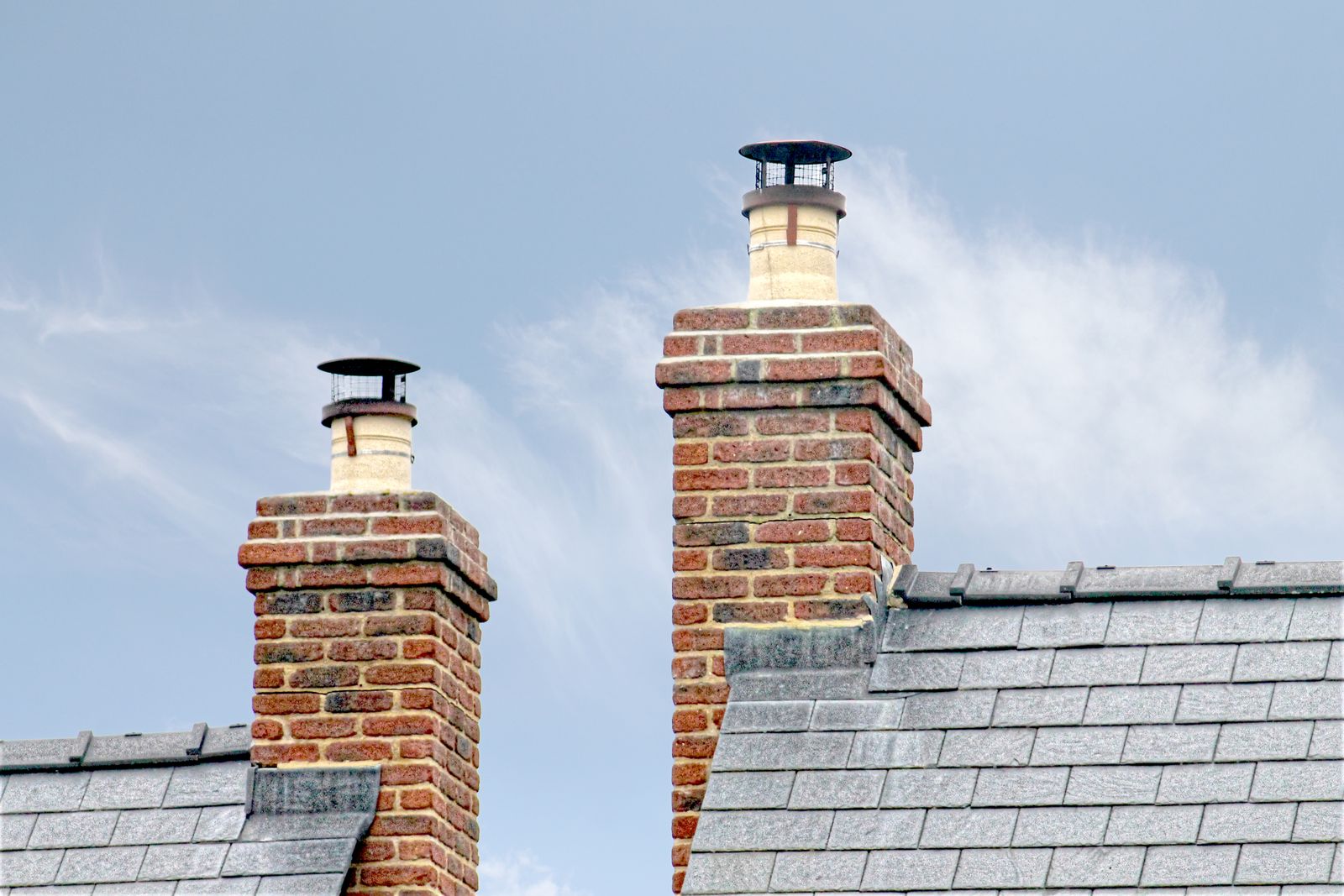
Shingles get all the attention when people think about their roof, but a huge share of leaks actually start at the flashing — the metal (or sometimes rubber) material installed at the joints and transitions where a roof surface meets something else: a chimney, a wall, a vent pipe, a skylight, or where two roof planes come together in a valley.
What Flashing Actually Does
A flat, uninterrupted roof surface is relatively easy to keep watertight — shingles overlap in a straightforward, shedding pattern. The moment something interrupts that surface, water has a new opportunity to find its way underneath. Flashing bridges that gap, directing water back onto the roof surface and away from the joint instead of letting it seep into the seam.
Where Flashing Typically Fails First
- Chimneys — where roof and masonry meet, a joint that expands and contracts differently across seasons
- Valleys — where two roof planes meet and a large volume of water concentrates during rain
- Vent pipes and skylights — small penetrations where the rubber boot or seal around the flashing degrades faster than the metal itself
- Roof-to-wall transitions — such as where a lower roof section meets a second-story wall
Why It Fails Before the Shingles Do
Flashing takes on stress that a flat shingle surface doesn't: expansion and contraction against a different material like masonry or siding, the concentrated water volume of a valley, and rubber seals (like a pipe boot) that simply wear out faster than metal or asphalt. It's common for flashing to need attention well before the surrounding shingles are anywhere near the end of their life.
Signs of Flashing Trouble
- A leak that seems to trace back to a chimney, skylight, or vent pipe rather than the open roof field
- Visible rust, cracking, or lifted edges on metal flashing
- A cracked or deteriorated rubber boot around a vent pipe
- Water stains that appear in a line, following a valley or wall transition
What Good Flashing Work Looks Like
Proper flashing is layered correctly with the surrounding shingles — not just caulked over the top, which is a common shortcut that fails faster than it should. It should allow for the natural expansion and contraction of the materials it joins, and use fasteners and materials compatible with both the roofing and whatever it's flashing against (particularly important with metals like copper, which can corrode when placed in contact with incompatible metals).
The Bottom Line
If you have a leak that seems to be coming from "somewhere near" a chimney, skylight, or valley, flashing is often the actual culprit — and it's frequently a more contained, less expensive fix than a full section of new roofing. It's also one of the first things worth checking during a routine roof inspection, precisely because it tends to fail before the shingles around it do.
Related Service
Suspect a flashing issue? Our roof repair service covers flashing diagnosis and repair, and we also handle specialty copper flashing for homes that need it.
Think You Might Have a Flashing Leak?
We'll trace the leak back to its actual source and give you a straightforward repair recommendation.